Thursday, October 29, 2026
Transforming Beginners into Crafters: 5 Simple Steps to
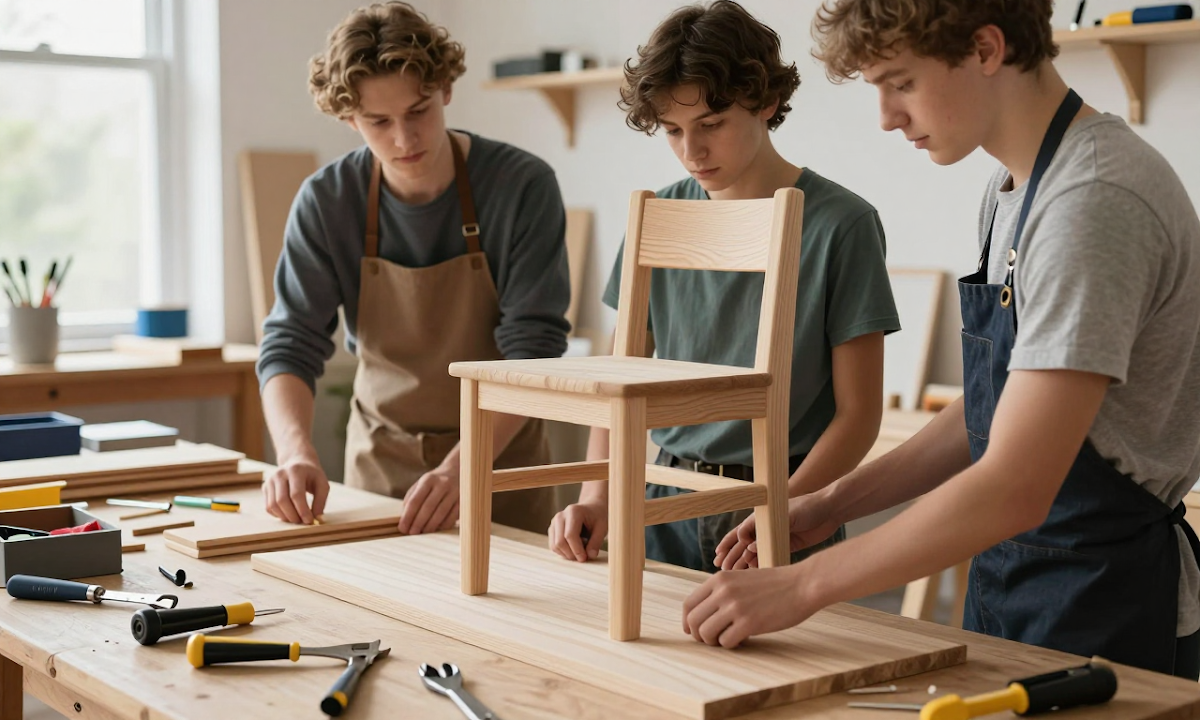
Woodworking for beginners can seem daunting at first—overwhelmed by the vast array of tools and projects that await you in your garage or workshop. But fear not! This guide is here to transform you from a woodworking novice into an accomplished crafter with just five simple steps. Whether it's creating DIY furniture, tackling woodwork projects for practice, or learning crafting tutorials—this introduction will cover everything you need to know.
In this article:
- Introduction to Woodworking for Beginners
- Essential Tools and Materials Needed
- Crafting Simple Projects for Practice
- Selling Your Woodwork
- Overcoming Common Challenges
- Conclusion
- Final Thoughts
Introduction to Woodworking for Beginners
Woodworking is a rewarding craft that can transform raw wood into beautiful pieces like furniture, decorative items, and more. For beginners, it's both an art form and a practical skill. The process of woodworking involves several stages—selecting materials, cutting to size, shaping with tools, sanding for smoothness, painting or finishing, and assembly if necessary.
The benefits of learning woodworking extend beyond the creation of useful items; it enhances creativity, fine motor skills, patience, and problem-solving abilities. Engaging in this hobby can also be a way to connect with nature since wood is often sourced from trees, providing a peaceful, earthy environment for crafting.
Whether you're an urban dweller or someone who enjoys the outdoors, woodworking offers a unique outlet that's both meditative and fulfilling. It’s not just about making things; it’s also about understanding how different types of wood behave when being cut with various tools. This process teaches valuable lessons in craftsmanship and allows for personal expression.
With each project you complete, you’ll gain confidence and become more adept at using tools, which can lead to bigger projects down the line. The sense of accomplishment that comes from crafting something entirely by yourself is incredibly rewarding.
Overview of the Process and Benefits
The journey into woodworking for beginners typically starts with understanding basic tools like saws, hammers, and planes. From there, you might tackle small projects such as building a birdhouse or creating a wooden coasters set.
As your skills improve, so do the complexity of your projects. Whether it’s creating custom furniture pieces, constructing a shed from scratch, or even designing an elaborate piece of art, woodworking allows for endless creativity and expression. The satisfaction derived from transforming raw materials into functional or artistic items cannot be overstated.
Woodworking isn’t just about learning how to use tools; it's also about appreciating the beauty in simplicity. By focusing on design principles such as symmetry, balance, and proportionality, you can create objects that are both practical and aesthetically pleasing.
In summary, woodworking for beginners is an engaging hobby with immense benefits. It fosters creativity, builds confidence, and offers a meditative experience all rolled into one. Whether your goal is to make functional items or purely aesthetic creations, woodworking provides endless opportunities for personal growth and expression.
Essential Tools and Materials Needed
To start your woodworking journey, you'll need some essential tools and materials to ensure that your projects are safe, efficient, and enjoyable. Here's what you should consider gathering before you begin crafting:
- Basic Hand Tools: A good selection of hand tools includes a hammer, chisel, screwdriver set (both flat-head and Phillips), pliers, and a pair of safety goggles to protect your eyes from debris.
- Saw: A crosscut saw is ideal for making straight cuts across the grain of wood. For curved or angled cuts, a coping saw might be necessary as well.
- Power Tools: Start with an essential power tool like a drill to make holes and drive screws. A jigsaw can help you cut intricate curves, while a circular saw is perfect for longer, straighter cuts.
- Metering Equipment: A tape measure is fundamental for ensuring your projects are accurate in size and proportion.
- Work Surface: A sturdy table or workbench can provide enough space to cut wood safely. It should be at least 18 inches high so you’re comfortable while working.
- Sanding Blocks & Abrasive Papers: Fine-grit sandpaper (240-320 grit) is essential for smoothing rough edges and surfaces after cutting or drilling.
- Clamps: These are indispensable for holding pieces together while you apply glue, especially if you're working on larger projects that require more stability during bonding processes.
- Paint & Stain Supplies: If you plan to finish your woodwork with paint or stain, gather brushes, rags, and a good quality primer for the best results.
Remember, the tools mentioned here are just the basics. As you progress in woodworking, you may find yourself needing more specialized equipment tailored to specific types of projects. However, starting with these items will give you a solid foundation from which to build your skills and expand your tool collection as needed.
Crafting Simple Projects for Practice
Once you've gathered your tools and materials, it's time to start crafting simple projects that will help solidify your newfound skills in woodworking. These basic projects are perfect for beginners as they teach fundamental techniques while being easy enough to complete within a reasonable timeframe.
- Wooden Coasters: Start with creating wooden coasters, an excellent project for practicing simple cuts and sanding. Choose a sturdy hardwood like oak or maple and follow these steps: 1. Cut your wood pieces using a circular saw. 2. Sand the edges to smooth them out. 3. Apply a coat of clear finish on both sides to protect it.
- Simple Picture Frame: For a more intricate piece, try making a picture frame with a miter joint. This project teaches you how to cut precise angles: 1. Measure and mark the pieces. 2. Cut the angles using a miter saw or table saw. 3. Assemble the frame using glue and clamps.
- Tool Box: Building a small tool box is a great way to put together basic carpentry skills: 1. Measure out the dimensions for your box. 2. Cut the pieces of wood to size, then assemble them with screws or nails. 3. Finish the box by sanding and adding a protective finish.
- Chair Seat: For something more challenging but rewarding, try making a chair seat: 1. Begin by cutting out the shape of your seat from plywood using a jigsaw. 2. Sand down rough edges to create smooth curves with a sander or sandpaper. 3. Apply wood glue and tacks for a simple upholstered look.
- Plant Stand: This project is both decorative and functional, allowing you to display plants while learning basic joinery: 1. Cut the legs and base of your stand from hardwood lumber. 2. Assemble the pieces using screws or nails, ensuring a sturdy joint. 3. Sand all edges for smoothness before adding an optional finish.
Each project builds on the skills you've learned in previous steps. Remember to take breaks and stay patient as you gain confidence with each piece of wood you work with. The key is persistence, so keep going and enjoy the satisfaction of turning raw materials into something beautiful!
Selling Your Woodwork
To sell your woodworking projects effectively, consider these tips:
- Research Your Target Audience: Understand who you're selling to by researching their interests and needs. For instance, if you specialize in children's furniture, look into local schools or nurseries.
- Create a Strong Online Presence: Use platforms like eBay, Etsy, or Instagram to showcase your work. Include high-quality images that highlight the craftsmanship of each piece.
- Offer Unique Selling Points (USPs): What sets your pieces apart? Perhaps you use sustainable wood sources or offer custom designs. Clearly communicate these unique features in your listings and marketing materials.
- Engage with Your Community: Attend local craft fairs, flea markets, or workshops to directly interact with potential customers. Building relationships can lead to repeat business and referrals.
- Be Prepared for Feedback: As a beginner, you might not be used to receiving constructive criticism. Be open-minded when people provide feedback on your work. It’s an opportunity to grow and improve.
Remember, selling isn't just about making sales; it's also about building a reputation as a skilled craftsman in the woodworking community.
Overcoming Common Challenges
Woodworking can be incredibly rewarding, but it's also full of learning curves where mistakes are inevitable. Handling these setbacks with grace is key to becoming a proficient woodworker. First off, don't be too hard on yourself; everyone starts somewhere. When you make a mistake, take the time to understand why it happened and what could have been done differently.
One common challenge is misreading measurements or cutting errors that lead to waste. Instead of throwing away your mistakes, consider them as part of the learning process. Save pieces with potential for future projects. If you've cut a board too short accidentally, save this small piece and use it in a decorative way on something else.
Another challenge is frustration when dealing with stubborn wood that's difficult to sand or glue together correctly. Remember, woodworking often involves trial and error. Use your mistakes as lessons: for example, if you struggle with sanding, take time to experiment with different grits of sandpaper until you find the right one.
Don't let setbacks discourage you from continuing on your journey. Instead, view them as opportunities to improve your skills and techniques. If a project doesn’t go well, analyze what went wrong and make adjustments in future projects. This approach will build your confidence over time as you learn to handle challenges effectively.
To stay motivated and continue improving despite setbacks, set achievable goals for yourself. Celebrate small victories along the way, like successfully using new tools or completing a project that you were initially unsure about. This positive reinforcement can keep you excited about woodworking even when things don't go perfectly at first.
Conclusion
Woodworking is an incredibly rewarding craft that allows you to transform raw materials into beautiful, functional pieces of art. As we've explored simple projects and essential tools together, remember that every piece starts with a single cut or sanding step. The key to transforming beginners into skilled woodworkers lies in persistence and practice.
Take the time to experiment with different techniques and styles. Don’t be afraid to try something new; woodworking is all about learning from your mistakes and growing as an artist. By keeping these steps in mind—whether it's understanding basic measurements or choosing the right finish for a project—you'll find that woodworking becomes more intuitive over time.
The best part of woodworking, beyond the satisfaction of creating something with your own hands, is sharing your work with others. Whether you’re selling your creations at craft fairs or gifting them to loved ones, there’s joy in knowing that someone appreciates what you’ve made. So keep crafting, and don’t let fear of failure hold you back.
Remember, woodworking isn't just about the end product; it's a journey of self-discovery and creativity. Each project is an opportunity to improve your skills and express your unique vision. As you continue on this path, embrace each piece as part of your personal growth—every woodworker starts somewhere, but with dedication and passion, even beginners can become skilled craftsmen.
Final Thoughts
Your woodworking journey has been a whirlwind of learning, challenges, and growth. By focusing on these three key points: start with simple projects to build confidence, invest in quality tools for safety and precision, and don’t forget to have fun along the way. Whether you’re just beginning or have already crafted some pieces, remember that woodworking is more than a skill—it’s an art form that can bring joy and utility into your home.
Today, take one small first step by sorting through your tools—discern which ones are in good condition and which might need attention. This simple act can help you get started on your next project with the right materials. Happy crafting!
